Written by Dr. Yung Chen (M.D.)
A Modern Approach to Blood Detoxification and Immune Support
EBOO therapy, short for Extracorporeal Blood Ozonation and Oxygenation, is an advanced wellness treatment designed to support the body’s natural healing and detoxification processes. Sometimes referred to as EBO2 or ozone dialysis, this therapy works directly with the bloodstream to improve oxygen delivery, reduce circulating toxins, and support immune balance.
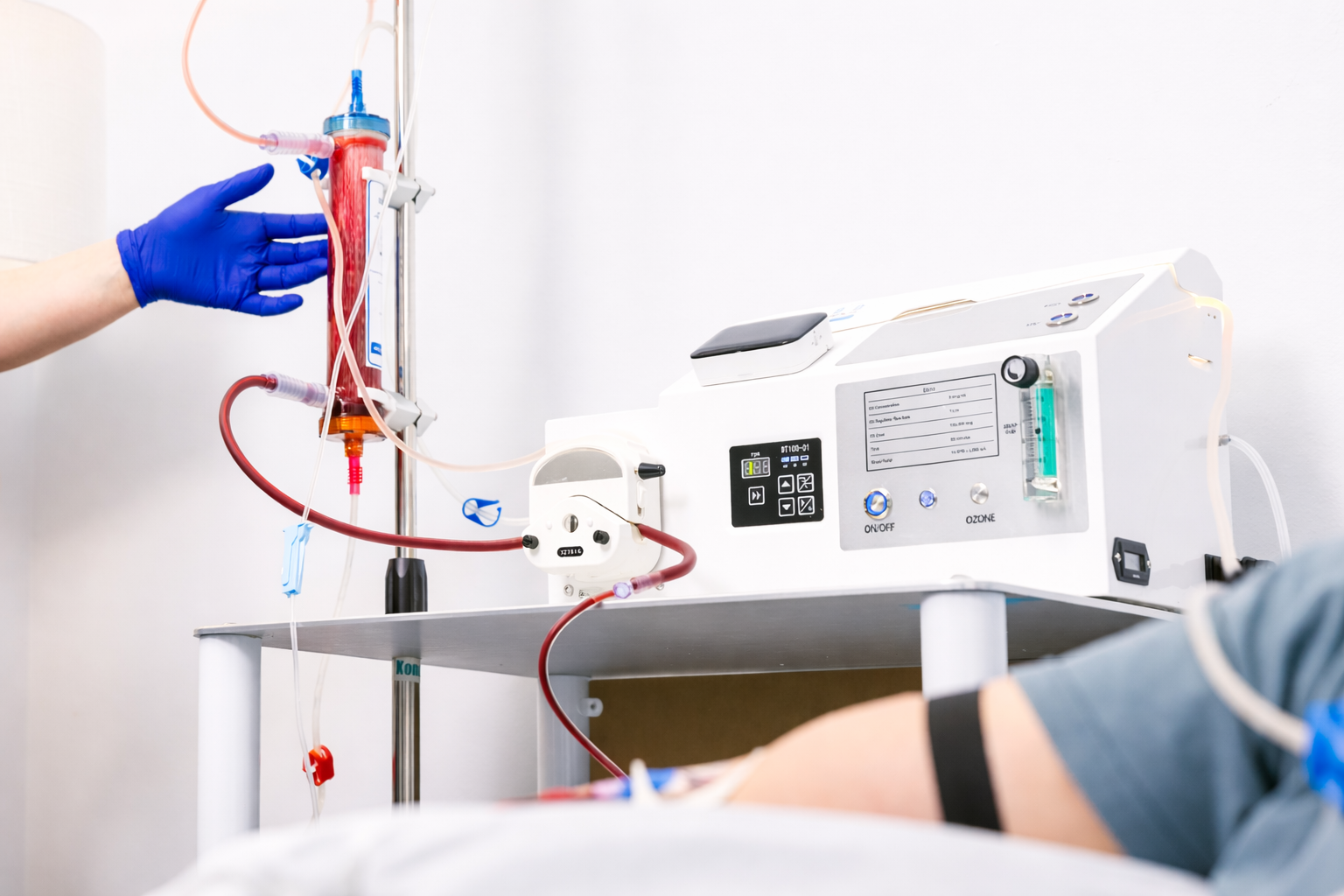
At its core, EBOO therapy involves circulating a portion of the patient’s blood outside the body through a specialized medical device where it is treated and filtered before being returned to circulation. During this process, the blood is exposed to a controlled combination of medical grade ozone, medical grade oxygen, advanced filtration, and targeted light therapy. These elements work together to support systemic detoxification and improve overall blood quality.
Because EBOO treats the blood itself rather than delivering nutrients indirectly, it is considered one of the most comprehensive detoxification and immune support therapies available in modern integrative medicine.
Conditions That May Benefit from EBOO Therapy
EBOO therapy is often used to support individuals experiencing chronic inflammation, toxin exposure, or immune imbalance. While it is not intended to replace conventional medical treatment, many patients pursue this therapy as part of a broader wellness strategy.
Chronic infections are one area where EBOO therapy has gained attention. Patients dealing with persistent bacterial, viral, fungal, or parasitic infections often seek this therapy to help support their immune system. Conditions such as Lyme disease with co-infections, Epstein–Barr virus, hepatitis, and herpes are frequently discussed in integrative medicine settings where EBOO therapy is offered.
Individuals experiencing symptoms associated with Long COVID have also explored EBOO therapy. By supporting improved blood flow, reducing inflammation, and helping optimize mitochondrial energy production, some patients report improvements in fatigue, brain fog, and overall resilience.
Another group that may benefit includes individuals with mold exposure or mycotoxin-related illness. EBOO therapy is thought to assist by reducing circulating toxins and supporting mitochondrial repair processes that may be impacted by chronic environmental exposure.
Autoimmune conditions are another area of interest. Because EBOO therapy can help modulate inflammatory pathways and support immune balance, some patients with conditions such as rheumatoid arthritis, lupus, and multiple sclerosis pursue this therapy as part of a broader wellness program.
Cardiovascular health is also an area where EBOO therapy may provide supportive benefits. By improving oxygen delivery to tissues, optimizing blood viscosity, and enhancing mitochondrial function, the therapy may support individuals concerned with circulation and metabolic health.
Patients dealing with chronic fatigue syndrome or fibromyalgia sometimes report improvements in energy levels and reductions in pain following treatment. Additionally, EBOO therapy is occasionally used alongside conventional cancer treatments in integrative oncology settings where improved tissue oxygenation may support overall patient wellness.
For individuals undergoing detoxification programs for heavy metals or environmental toxins, EBOO therapy may also be incorporated into comprehensive treatment plans.
How an EBOO Therapy Session Works
An EBOO therapy session typically lasts around sixty minutes and is performed using a specialized medical device designed to safely circulate blood through the treatment system.
The procedure begins with the placement of two intravenous lines, typically one in each arm. One IV line allows blood to be gently removed from the body and circulated through the treatment system.
Once outside the body, the blood passes through several stages. It undergoes filtration to remove unwanted particles, exposure to medical ozone and oxygen to support detoxification and oxygenation, and light therapy that targets microbial activity while supporting circulation and cellular function.
After these steps are completed, the treated blood is immediately returned to the body through the second IV line. This continuous circulation process continues throughout the treatment session until the full cycle is completed.
When the session ends, the IV lines are removed and patients are typically able to resume normal activities shortly afterward.
The Role of Light Therapy in EBOO Treatment
An important component of EBOO therapy involves the use of targeted light wavelengths. These light frequencies interact with blood components in ways that may support circulation, mitochondrial activity, and antimicrobial effects.
Ultraviolet light is commonly used because of its broad antimicrobial properties. Red, green, and amber wavelengths are associated with improved microcirculation and enhanced cellular energy production. Blue light is often utilized for its ability to support antimicrobial activity while also helping reduce inflammation.
Together, these light therapies contribute to the comprehensive nature of the EBOO treatment process.
Common Benefits Reported by Patients
Patients who undergo EBOO therapy often describe improvements in overall wellness and vitality. Many report increased energy levels and improved physical performance following treatment.
Some individuals experience a reduction in symptoms associated with toxin exposure, including fatigue, headaches, and brain fog. Others report improved immune resilience and a noticeable reduction in inflammatory symptoms such as joint discomfort or chronic pain.
Improved circulation, better cardiovascular markers, enhanced mental clarity, and improved sleep quality are also commonly reported outcomes among patients pursuing this therapy as part of a comprehensive wellness program.
Safety Considerations
EBOO therapy is generally considered safe when performed by trained medical professionals using appropriate equipment and protocols. As with any medical treatment, a thorough health review with a provider is essential before undergoing therapy.
Certain medical conditions may prevent an individual from safely receiving EBOO therapy. These include hemophilia, severe iron deficiency anemia, and glucose-6-phosphate dehydrogenase (G6PD) deficiency. A qualified provider will review a patient’s health history and determine whether the treatment is appropriate.
Typical Treatment Protocols
The frequency of EBOO therapy varies depending on the individual’s health goals.
For individuals addressing chronic conditions, a common approach involves treatments once per month for three months. This allows the body to progressively reduce inflammatory and toxic burden.
For those pursuing preventative wellness or longevity optimization, treatments every four to six months are commonly recommended.
Each patient’s treatment plan is individualized based on their health history, goals, and provider recommendations.
Preparing for Your EBOO Therapy Session
Proper preparation can help ensure a comfortable and effective treatment experience.
Patients are encouraged to eat a balanced meal one to two hours before their appointment. Staying well hydrated is also important, and drinking fluids with electrolytes the day before and the day of treatment is recommended.
Because the therapy requires IV access in both arms, wearing comfortable clothing with loose sleeves can make the process easier. Using the restroom prior to the start of treatment is also helpful since the session typically lasts about an hour.
Patients are generally advised to avoid alcohol the day before and the day of their treatment to support optimal hydration and detoxification.