
Mental Health
Nutrition / Wellness
· 4 MinsBy Dr. Yung Chen , Chief Medical Director
Part of our guide to Weight Management in San Jose .
GLP-1 medications like semaglutide and tirzepatide have changed the conversation around weight management. For many people who've struggled for years, they finally make sustained fat loss feel possible. But there's an important detail that doesn't always make it into the headlines: when you lose weight — from any method — some of that loss can come from lean muscle, not just fat.
The good news is that muscle loss isn't inevitable. With the right nutrition, movement, and medical guidance, you can steer your results so that most of what you lose is fat while your strength and metabolism stay intact. Here's how.
It's easy to fixate on the scale, but what you lose matters as much as how much. Muscle isn't just for athletes — it:
The aim of a well-designed program isn't just a lower number — it's a better body composition: less fat, preserved muscle, and improved health.
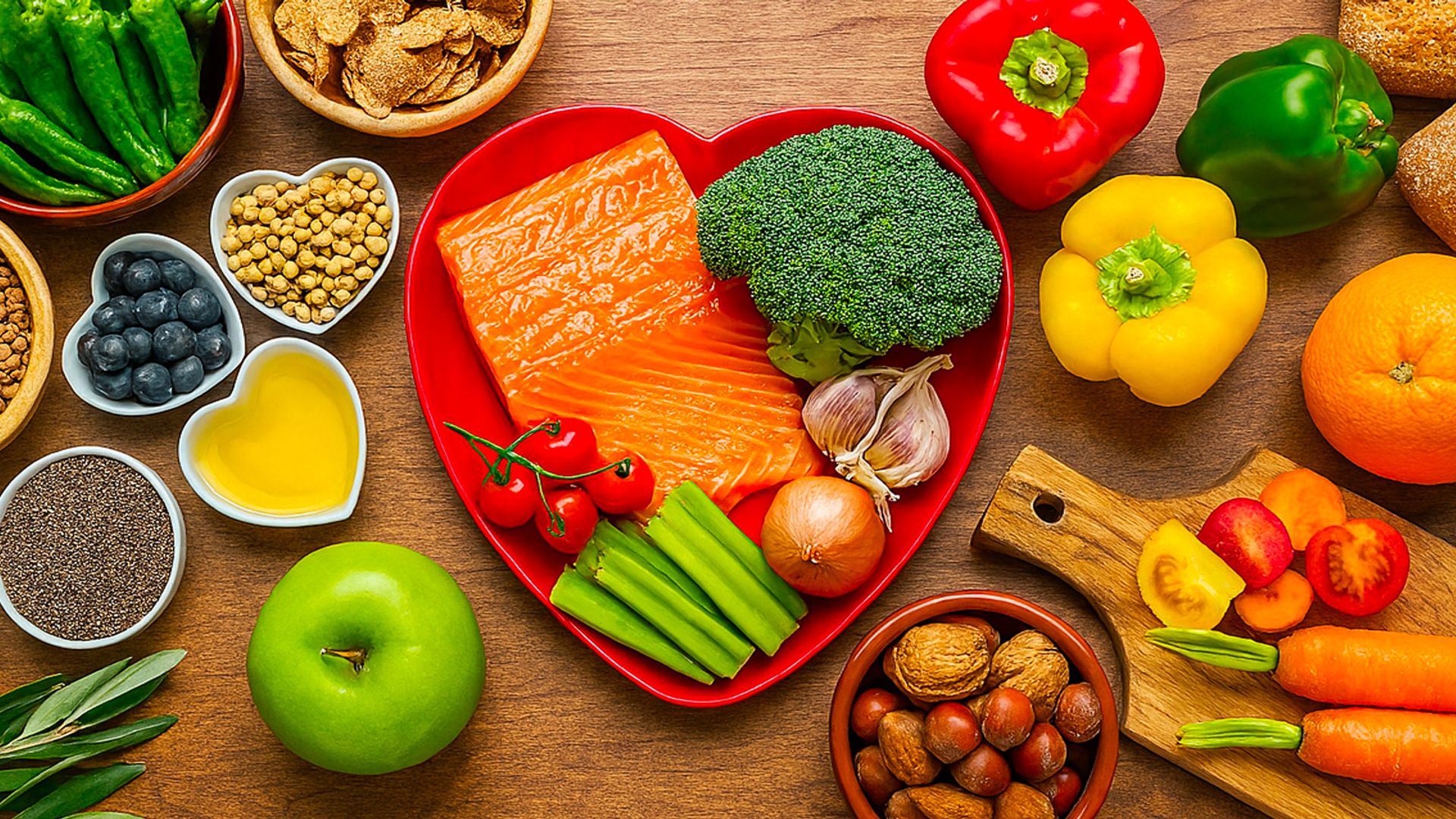
GLP-1 medications work in part by reducing appetite — which is exactly what makes them effective, but also means you may simply eat less of everything, including protein. Protein is the raw material your body uses to maintain muscle, so hitting an adequate target becomes a deliberate act rather than an accident.
Practical strategies:
Because appetite is smaller, quality and intention matter more than ever. Your provider can help set a personalized protein goal based on your body and your program.
If protein is the building material, strength training is the signal that tells your body to keep its muscle. Lifting weights, using resistance bands, or doing bodyweight exercises a few times a week is one of the most effective things you can do while losing weight.
You don't need to become a gym devotee. Even two to three sessions a week of progressive resistance work can meaningfully protect lean mass. Pair it with everyday movement — walking the San Jose trails, biking, or simply staying active — and you build a foundation that supports both your results and your energy.
This is where a provider-guided program makes the biggest difference. Rather than watching the scale alone, a medical team can help monitor your progress in ways that actually reflect your health:
Weight loss done well is a supervised process, not a solo experiment.
GLP-1 medications can be a genuine turning point — but the smartest way to use them is within a plan that protects your muscle, not just your weight. Prioritize protein, build in resistance training, and lean on a medical team that watches your whole picture.
If you're in San Jose or the Bay Area and considering — or already on — a semaglutide or tirzepatide program, a provider-guided approach helps ensure you lose fat, keep your strength, and hold onto your results for the long run. Start with a consultation, and let's build a plan that protects what matters.
Any significant weight loss — from medication, dieting, or surgery — includes some lean mass along with fat. The goal isn't to avoid all lean loss but to minimize it with adequate protein and resistance training so most of what you lose is fat.
Protein needs are individual, but many people benefit from prioritizing protein at every meal. Because GLP-1 medications reduce appetite, it takes intention to hit your target. Your provider can set a personalized goal for you.
Resistance training is one of the most effective ways to signal your body to preserve muscle during weight loss. Even two to three sessions a week can make a meaningful difference alongside your medication.
Muscle supports metabolism, strength, and function. Preserving it helps you feel stronger, maintain your results, and reduce the risk of regaining fat after you reach your goal.
Yes. Provider-guided programs monitor your dosing, nutrition, and body composition — not just the number on the scale — so your plan protects your health and your muscle, not only your weight.