
Wellness
Mental Health
· 4 MinsBy Minh Vu , CRNA
Part of our guide to Ketamine Treatments in San Jose .
Post-traumatic stress disorder (PTSD) can be relentless. For people living with intrusive memories, hypervigilance, and emotional numbness, traditional treatments help many — but not everyone. When standard antidepressants and therapy haven't brought enough relief, the search for other options becomes urgent. One that's drawing growing attention is ketamine therapy.
This is a sensitive, serious topic, so let's be clear and responsible about what ketamine therapy is, what it isn't, and what to consider if you're exploring it.
PTSD can develop after experiencing or witnessing a traumatic event. Its effects reach far beyond memories, often including:
For some people, standard treatments — talk therapy and traditional medications — provide meaningful relief. For others, symptoms persist despite genuine effort, and that's where newer, supervised options enter the conversation.
Ketamine works differently from traditional antidepressants. Rather than acting primarily on the same pathways as standard medications, it engages the brain through a different mechanism. Two practical differences stand out:
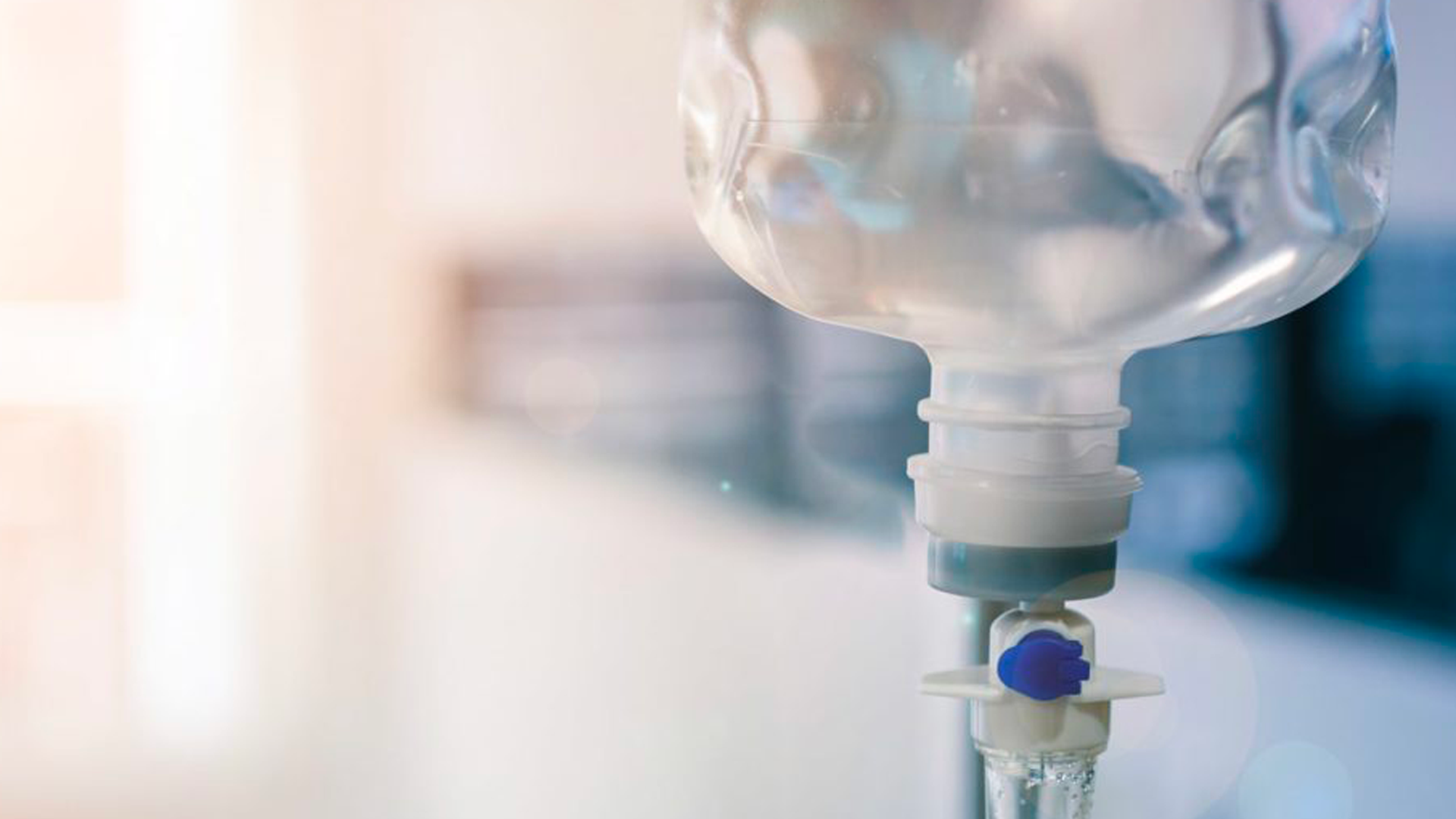
This supervised setting is not a formality — it's central to a safe, supportive experience.
Researchers and clinicians have been studying ketamine for treatment-resistant mood conditions, and interest in its potential for PTSD has grown alongside that work. The appeal is understandable: for people who've cycled through options without enough relief, a treatment that works through a different pathway offers a new avenue of hope.
At the same time, honesty matters. Ketamine therapy is not a guaranteed cure, and it isn't right for everyone. Research is still evolving, and it's best understood as one carefully considered option within a broader, individualized mental health plan — not a replacement for comprehensive care.
One of the most important things to understand is that ketamine therapy is rarely meant to stand alone. For most people, it works best alongside ongoing mental health support. The idea is that the experience can help create openings — a shift in perspective or a reduction in symptom intensity — that ongoing therapy can then help integrate into lasting change.
In other words, ketamine may open a door, but the work of walking through it is supported by continued care. A responsible provider will emphasize this rather than presenting ketamine as a one-and-done fix.
While every plan is individualized, the general framework looks like this:
If you're living with PTSD, please know that struggling to find relief doesn't mean relief isn't possible — it may mean the right combination of support hasn't been found yet. Exploring options like ketamine therapy is a step worth taking with qualified professionals who take your history seriously.
If you or someone you know is in crisis, reach out for immediate help: in the U.S., you can call or text 988 to reach the Suicide and Crisis Lifeline, available 24/7.
Ketamine therapy represents a genuinely different approach for people with PTSD who haven't found enough relief through traditional treatment. It works through a distinct mechanism, is delivered under careful medical supervision, and is most effective as part of a comprehensive mental health plan — not as a standalone cure.
If you're in San Jose or the Bay Area and wondering whether ketamine therapy might fit your situation, the right next step is a thoughtful consultation. We'll listen to your history, answer your questions honestly, and help you understand whether this option belongs in your path forward.
Ketamine therapy is being explored for PTSD, especially for people who haven't found relief from traditional treatments. Research is ongoing and it's delivered under medical supervision as part of a broader mental health plan, not as a standalone cure.
Ketamine works through a different mechanism than standard antidepressants and, for some people, effects can be felt more quickly. Traditional medications often take weeks. Ketamine is administered in a supervised clinical setting rather than taken daily at home.
Yes. Ketamine therapy is provided in a controlled, medically supervised environment where your provider monitors you throughout the session. This setting is central to a safe, supportive experience.
For most people, yes. Ketamine tends to work best as part of a comprehensive plan that includes ongoing mental health support, so the experience can be integrated into lasting progress.
The only way to know is a thorough consultation with a qualified provider who reviews your history, diagnosis, and prior treatments to determine whether ketamine therapy is appropriate for you.