

Skin Care / Beauty
Aesthetics / Beauty
· 6 MinsBy Minh Vu , CRNA
Part of our guide to Botox & Fillers in San Jose .
If you have started noticing faint lines on your forehead or between your brows that stick around a little longer than they used to, you are not alone. A growing number of people in their late 20s and 30s are asking a simple question: is it worth softening those lines now, before they deepen, rather than waiting until they are permanently etched into the skin?
That idea is the heart of preventative Botox. Instead of chasing established wrinkles, the approach gently reduces the repeated muscle movements that create them in the first place. Below is an honest, detailed look at what it can and cannot do, how it works, what an appointment involves, and how to approach it thoughtfully in San Jose.
Botox is a purified neuromodulator that temporarily reduces the signal between a nerve and the specific muscle it is injected into. When that muscle contracts less forcefully, the skin above it folds less, and over time that means fewer and shallower creases. It does not fill lines or add volume; it simply relaxes the movement that drives certain wrinkles.
This is why placement and dosing matter so much. The same product can look natural and refreshed in experienced hands or heavy and static in careless ones. The difference is not the vial, it is the injector's understanding of your individual anatomy.
The word preventative refers to starting while your lines are still dynamic, meaning they appear when you frown, squint, or raise your brows but smooth out when your face is at rest. Treating lines at this stage can slow the transition to static lines, which are the ones visible even when your face is relaxed and are much harder to soften later.
The key word throughout is subtle. Preventative treatment usually uses conservative doses placed precisely, so your expressions still look like you, just calmer and less prone to etching.
Preventative Botox is not right for everyone, and starting earlier is not automatically better. It tends to make the most sense for people who:
If your lines are already deep and visible at rest, that is not a problem, but the conversation shifts from prevention to treatment, and your injector may recommend combining approaches for the best result.
For younger patients focused on prevention, a few areas come up most often:
A thoughtful injector will not automatically treat all of these. They will watch how your face moves and treat only what is contributing to the lines you want to prevent.
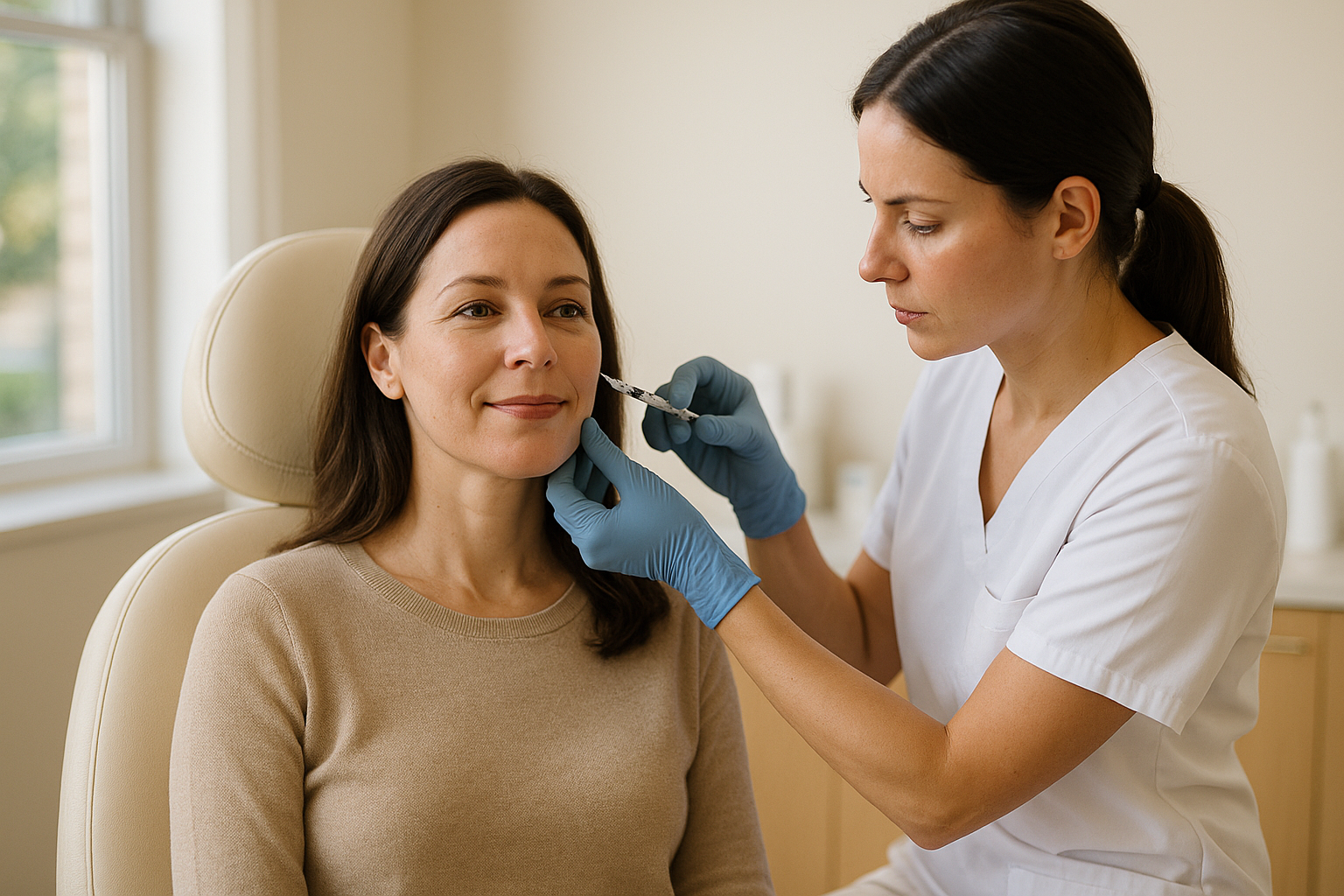
A good preventative Botox visit is unhurried and starts with a conversation, not a needle. Here is what to expect:
The whole appointment is typically brief, and most people head straight back to work or their plans afterward.
Botox does not work instantly. You will usually start to see softening within three to five days, with the full effect around two weeks. Results generally last three to four months before movement gradually returns. Because you are treating lines early, many preventative patients find their skin simply never develops the deep creases they were worried about, as long as they maintain a consistent, conservative schedule.
Botox has a long track record when performed by trained medical professionals. Minor, temporary effects such as small bumps at the injection sites, slight redness, or occasional light bruising can happen and typically fade quickly. Serious side effects are rare with proper technique. The most important safety factor is who is holding the needle, which is why choosing a qualified, experienced injector matters more than any promotion or price.
Preventative Botox works best alongside good daily habits. It will not replace sun protection, a consistent skincare routine, hydration, and sleep, all of which have a major impact on how your skin ages. Many patients think of Botox as one tool in a broader prevention plan rather than a standalone fix. Your provider can help you build a routine that complements your treatments.
With preventative Botox, technique matters more than the product. Because the goal is subtlety, you want an experienced medical injector who studies your natural movement, doses conservatively, and is honest about whether treatment is even necessary yet. At Sage Health and Wellness in San Jose, treatments are performed by licensed clinicians who tailor placement to your anatomy and your goals, and who will tell you plainly if they think you should wait.
The best first step is a consultation. A good provider will assess your muscle movement, talk through realistic outcomes and pricing, and help you decide whether starting now is worth it for you specifically, rather than following a trend. If you are curious whether preventative Botox fits your goals, booking a consultation is a low-pressure way to get personalized answers.
There is no single right age. Most people who choose preventative Botox start in their late 20s or early 30s, when dynamic lines from frowning or raising the brows begin to linger after the expression relaxes. A skilled injector looks at your muscle movement and skin, not your birthday, to decide whether it makes sense for you.
Results typically last three to four months. Many patients maintain their look with two to three sessions per year. Some find that as the treated muscles are used more gently over time, they can space treatments further apart.
No. Botox temporarily relaxes the treated muscles, and full movement returns as it wears off. With conservative, well-placed dosing the goal is softer expression lines while keeping natural movement, not a frozen look.
Because preventative treatment uses smaller, targeted doses, it is often more affordable than corrective treatment of deeper lines. Exact pricing depends on the areas treated and the units used, which your provider will review during a consultation.
Most people describe it as a quick pinch. The needles are very fine, appointments are short, and there is usually little to no downtime, so many patients return to their day right after.